
Compare Local Contractors for Effective Water Pooling Prevention
Compare local contractors for water pooling prevention to define project scope, verify experience, and set clear expectations for effective, reliable results.
Water pooling prevention involves a range of services aimed at managing surface and subsurface water flow to protect a property’s foundation and landscaping. These services typically include grading and contouring land to promote proper drainage, installing or repairing drainage systems such as French drains or surface channels, and sealing or waterproofing vulnerable areas. Contractors specializing in this work assess the property’s terrain, identify potential problem spots, and implement solutions designed to redirect excess water away from structures and prevent accumulation that could lead to damage or erosion.
Defining the scope of water pooling prevention work is essential to ensure that property owners and contractors have aligned expectations. Clearly outlining the specific tasks-whether it's grading, drainage installation, or waterproofing-helps prevent misunderstandings and ensures that all parties agree on what will be addressed. A well-defined scope also facilitates effective communication, making it easier to evaluate proposals and verify that the chosen service provider has the relevant experience and capabilities to handle the particular challenges of the property. Documenting the scope in writing provides a reference point throughout the project, supporting transparency and accountability.
When comparing local contractors for water pooling prevention, property owners should focus on verifying their experience with similar projects and understanding their approach to addressing drainage issues. Gathering information about each contractor’s background, including the types of properties they’ve worked on and the methods they employ, can help in making an informed decision. It’s also beneficial to review how each service provider plans to define the scope of work and whether they provide detailed proposals or written estimates. By emphasizing these practical considerations, property owners can better assess which local contractors are equipped to meet the specific needs of their property and ensure the work is completed to expectations.
Compare local contractors by outlining your project priorities, verifying experience, and setting clear expectations in writing.
- Compare Contractor Experience - Review the background and project history of local contractors to ensure they have relevant experience in water pooling prevention.
- Define Project Scope Clearly - Establish detailed work requirements and expectations in writing before selecting a service provider.
- Verify Service Provider Credentials - Confirm the credentials and reputation of local contractors to ensure reliability and quality.
- Request Written Agreements - Have all project details, responsibilities, and expectations documented in a formal agreement.
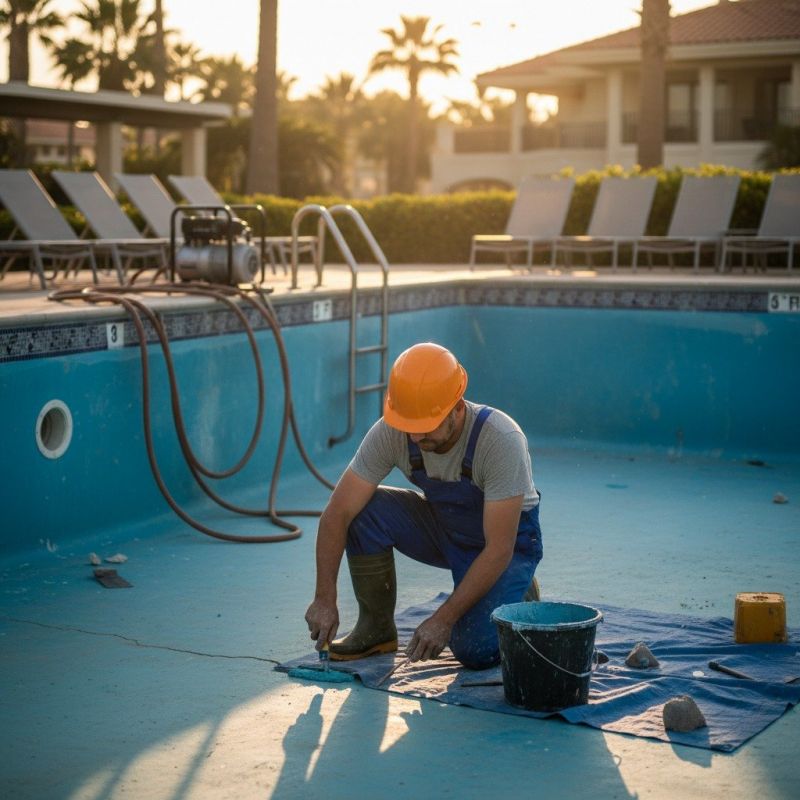
Before comparing contractors for water pooling prevention, clearly describe your project scope and verify their experience.
- Assess drainage solutions - ensure contractors can identify and implement effective grading and drainage systems to prevent water accumulation.
- Verify experience with water management - look for service providers who have a proven track record in installing or maintaining drainage and waterproofing features.
- Define scope of work clearly - specify tasks related to grading, drainage systems, and surface sealing to prevent water pooling.
- Request detailed written estimates - obtain comprehensive documentation outlining the planned methods and materials for water pooling prevention.
- Check for proper surface grading techniques - ensure contractors plan to create slopes that direct water away from structures and high-risk areas.
- Confirm warranty or guarantee policies - inquire about written assurances on the effectiveness of water management solutions provided by the service provider.
Compare local contractors' experience and clarify project scope to ensure effective water pooling prevention.
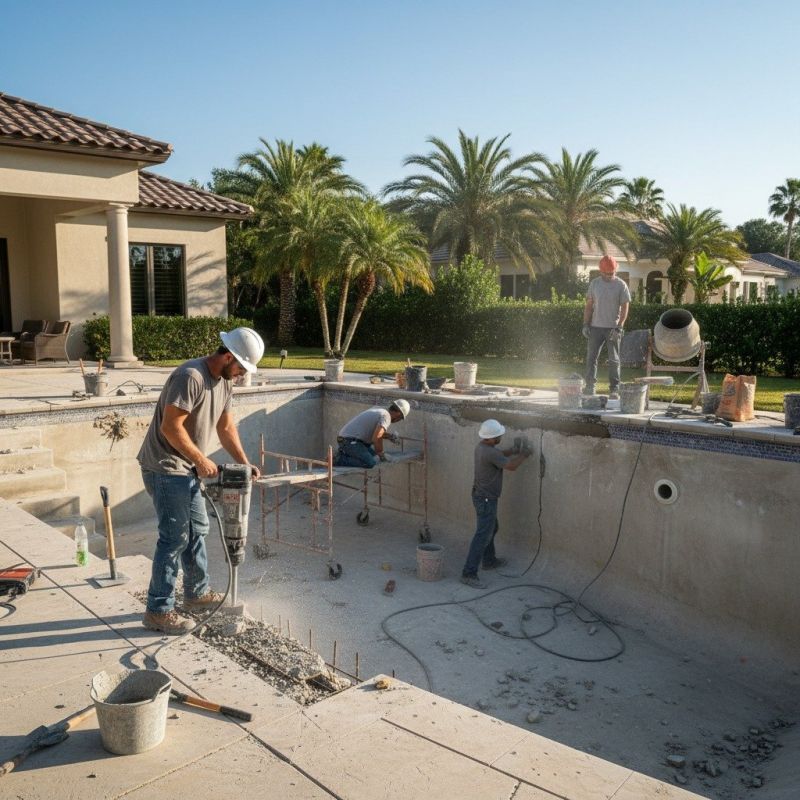
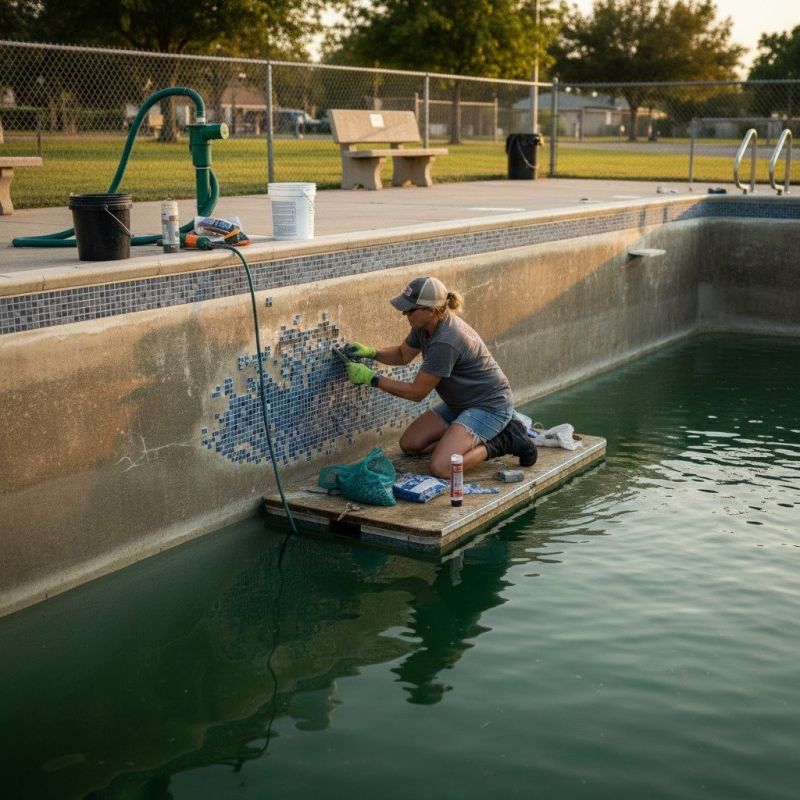
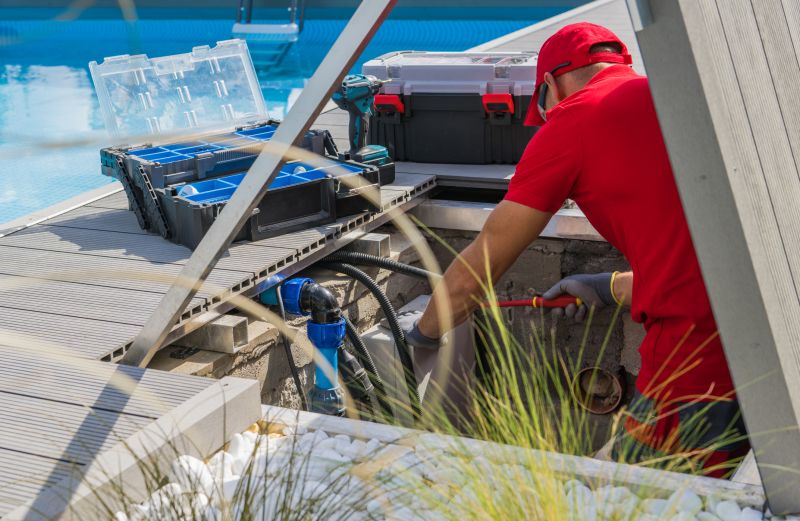
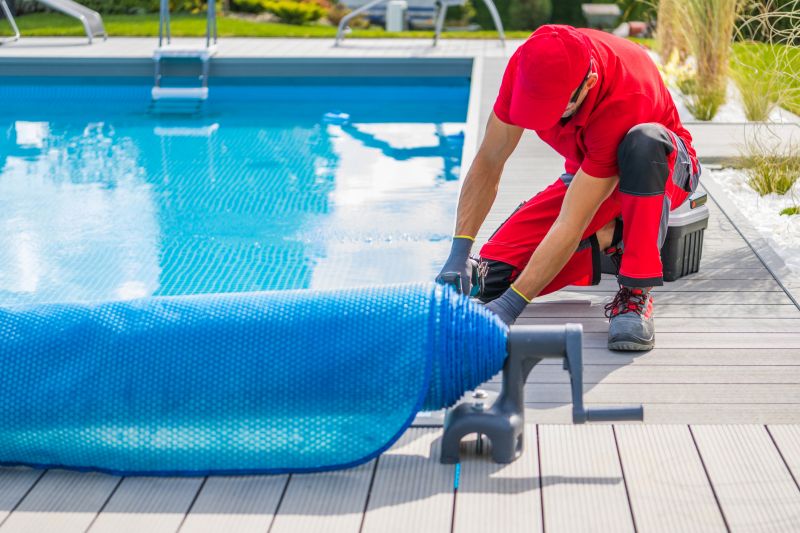
Consistent comparison of scope, experience, and written expectations helps ensure reliable water pooling prevention work across contractors.
- Drainage System Evaluation - Verify that the contractor assesses existing drainage patterns and identifies potential water accumulation points.
- Scope Definition - Clearly outline the specific measures to prevent water pooling, such as grading adjustments or drainage installations.
- Experience Verification - Confirm the contractor’s experience with water management solutions for pool areas or similar projects.
- Material and Method Details - Ensure the scope includes the types of materials and techniques that will be used to address water pooling issues.
- Written Agreement - Require a detailed, written description of the work scope, including responsibilities and expected outcomes.
When evaluating contractors for water pooling prevention, it is important to consider their experience with similar projects. Homeowners should inquire about the types of properties and specific drainage issues the service providers have addressed in the past. A contractor with a proven track record handling situations comparable to the site’s unique conditions can offer insights into effective solutions and potential challenges. Gathering details about previous work helps ensure that the contractor understands the complexities involved and has the practical knowledge necessary to implement appropriate measures.
A clear and detailed written scope of work provides a foundation for a successful project. Homeowners should seek proposals that outline specific tasks, materials, and responsibilities, avoiding vague descriptions. A well-defined scope helps prevent misunderstandings and sets realistic expectations for what the project will entail. When reviewing proposals, it’s beneficial to compare how each contractor describes their approach and the extent of their services, ensuring that all necessary aspects of water pooling prevention are addressed comprehensively.
Verification basics involve assessing how contractors plan to confirm the effectiveness of their work. Homeowners can ask about the methods used to evaluate drainage improvements, such as site inspections, testing, or monitoring after completion. Understanding the verification process provides confidence that the contractor intends to confirm the solution’s success and that the work has been properly implemented. Clarifying these steps upfront can help ensure the project meets the site’s specific water management needs and reduces the risk of recurring issues.
Evaluating options without focusing on prices involves examining the quality of proposals, the experience of the service providers, and the clarity of their scope of work. Homeowners should consider how each contractor communicates their approach, the thoroughness of their plans, and their ability to address the site’s unique challenges. Asking for references or examples of completed projects can also provide additional context. By focusing on these factors, homeowners can make informed comparisons and select service providers best suited to effectively prevent water pooling on their property.
Ask contractors to provide written scope details to ensure clear expectations and consistent project understanding.
- Scope of Work - What specific services and responsibilities will the contractor include in water pooling prevention?
- Experience and Expertise - How much experience do the local contractors have with water pooling issues similar to the project?
- Materials and Methods - What techniques or materials do service providers recommend for effective water pooling prevention?
- Scope Clarification - How do contractors define the boundaries of their work to ensure comprehensive water pooling prevention?
- Written Agreement - Are the project scope, responsibilities, and expectations clearly outlined in a written contract?
What should I consider when choosing a contractor for water pooling prevention? It's important to compare local contractors based on their experience with similar projects, verify their reputation, and ensure they clearly define the scope of work in writing to set proper expectations.
How can I verify a contractor’s experience with water pooling prevention? You can ask for references or examples of previous work, review any available project portfolios, and confirm that they have handled projects similar in size and complexity to your needs.
What questions should I ask a contractor before hiring for water pooling prevention? Inquire about their approach to drainage solutions, how they identify potential problem areas, and whether they include detailed scope and responsibilities in the written agreement.
Why is it important to have a written scope of work with a contractor? A written scope helps ensure both parties agree on the tasks to be completed, reduces misunderstandings, and provides a clear basis for expectations and project deliverables.
How do I compare different contractors for water pooling prevention services? Review their experience, verify references, ask about their methods, and ensure their scope of work aligns with your project requirements before making a decision.
What role does communication play when working with a contractor on water pooling prevention? Clear communication helps define project expectations, allows for addressing concerns early, and ensures that the scope and responsibilities are understood and agreed upon in writing.
Understanding the key steps to prevent water pooling around a property involves knowing how to compare local contractors, define the scope of work, verify experience, and set clear expectations in writing. By gathering information on available service providers, you can make informed decisions that align with your specific needs. Ensuring all details are documented helps establish a transparent process and fosters confidence in the chosen contractor.
Using the quote form to compare options allows you to connect with qualified local service providers who can address water pooling concerns effectively. Taking the time to review and evaluate different contractors ensures you find the right match for your project. This straightforward approach supports making well-informed choices based on the details that matter most to your property’s water management needs.