
Compare Local Contractors for Drainage Installation Services
Compare local contractors for drainage installation to define project scope, verify experience, and establish clear expectations for a successful property improvement.
Drainage installation services typically encompass the design, planning, and construction of systems intended to manage excess water around a property. This work can include installing underground pipes, surface drains, catch basins, or grading solutions to direct water away from foundations, walkways, and landscaping. Proper drainage helps prevent issues like flooding, erosion, and water damage, making it an essential part of property maintenance and protection. When engaging with contractors for drainage installation, understanding the scope of work-such as the type of drainage system needed, site preparation requirements, and any necessary permits-can ensure the project meets specific needs and avoids unexpected complications.
Defining the scope of drainage work is crucial because it clarifies what services are included and helps establish clear expectations. A well-outlined scope might specify the types of materials used, the extent of excavation, and the desired drainage outcomes. This clarity can prevent misunderstandings and provide a basis for evaluating proposals from different service providers. Property owners should consider discussing detailed plans and written descriptions of the work to ensure everyone is aligned on the project’s objectives. Establishing a comprehensive scope also facilitates better communication and can serve as a reference point if adjustments or additional work are needed later.
Comparing local contractors for drainage installation involves assessing their experience, reputation, and ability to handle specific project requirements. Property owners can start by researching service providers who have experience with similar drainage systems and understanding their past work in the community. It’s helpful to review credentials such as licenses, insurance, and references, as well as to verify that the contractors understand local soil and weather conditions. When evaluating options, it’s advisable to request written proposals that include detailed descriptions of the work, materials, and scope. This approach allows for an informed comparison of what each contractor offers and helps ensure the chosen service provider can meet the project’s needs effectively.
Compare local contractors by outlining your project priorities, verifying experience, and setting clear expectations in writing.
- Compare Contractor Experience - review the background and project history of local contractors to ensure they have relevant experience.
- Define Project Scope - clearly outline the drainage installation requirements and expectations in written agreements.
- Verify Credentials - confirm the qualifications and references of service providers to assess their reliability.
- Set Clear Expectations - communicate project details and responsibilities to ensure alignment before work begins.
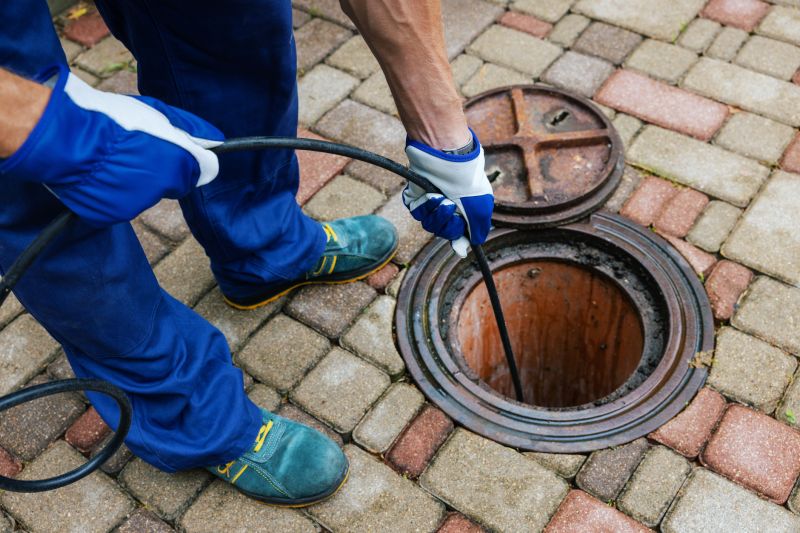
Clearly describe your drainage installation project to effectively compare options, verify experience, and set expectations in writing with trusted local contractors.
- Verify the experience and reputation of local contractors specializing in drainage installation. Ensure scope of work and project expectations are clearly defined and documented in writing. Compare the services offered by different providers to find those with relevant expertise and capabilities. Confirm that contractors adhere to proper installation standards and best practices for drainage systems. Check references or reviews to gauge the quality of previous drainage installation projects. Make sure the contractor provides detailed project plans and scope descriptions before work begins.
Compare local contractors' experience and clarify project scope to ensure successful drainage installation.
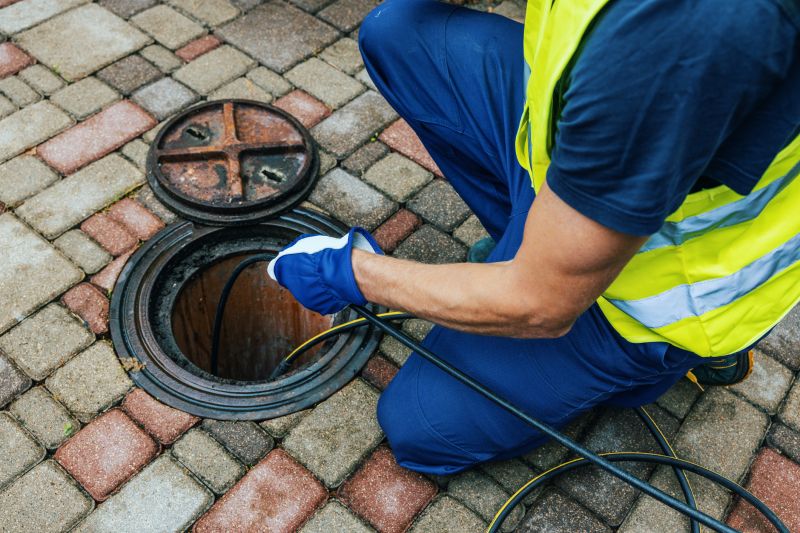
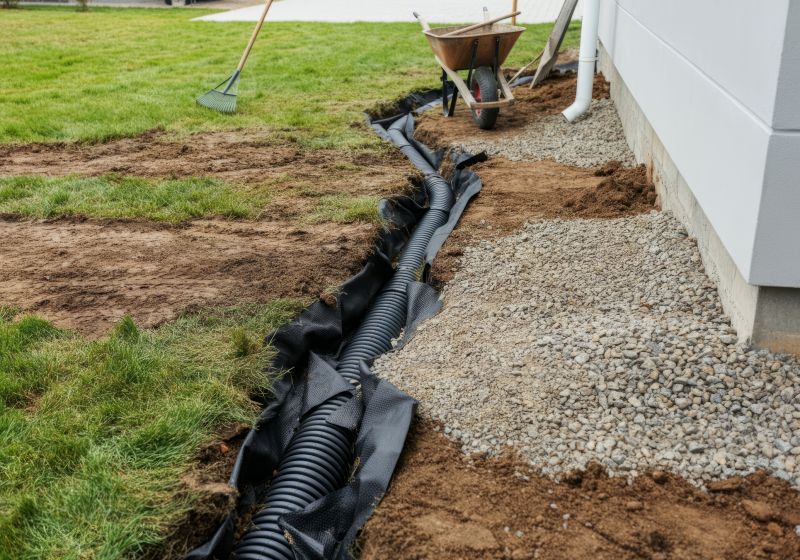
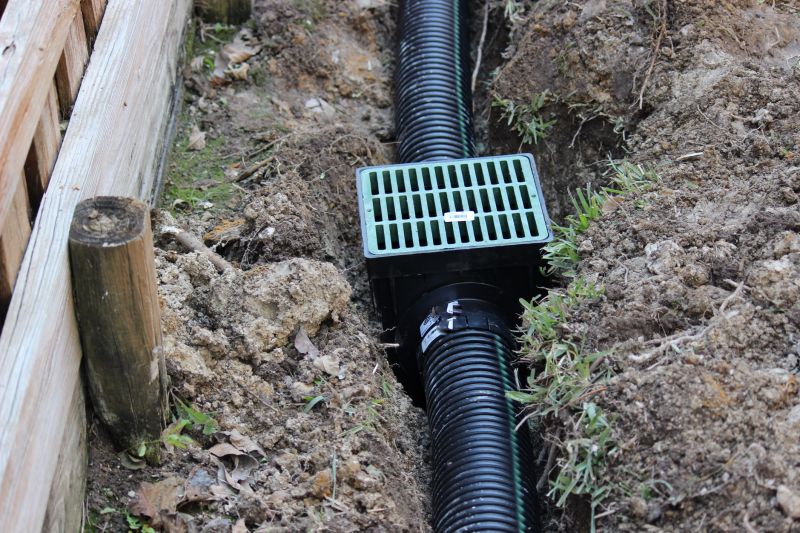
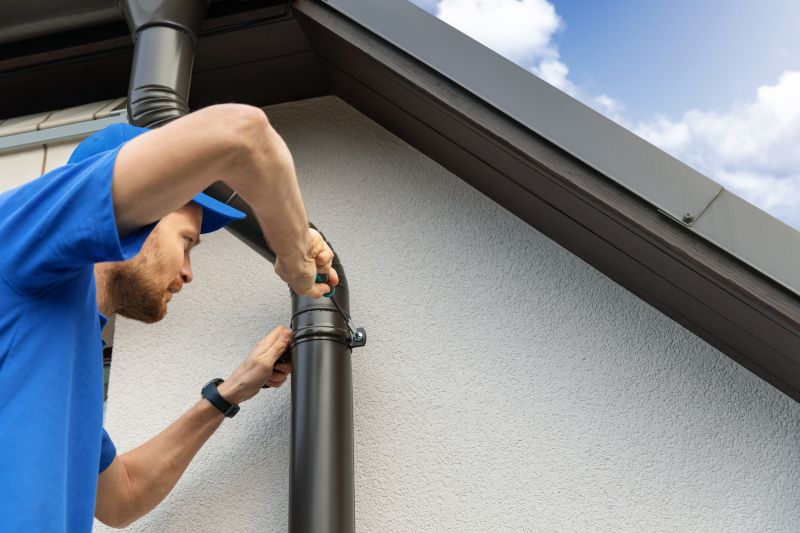
Use consistent comparison criteria across local contractors by clarifying scope, verifying experience, and documenting expectations clearly.
- Scope Definition - Clearly outline the specific drainage installation tasks required for the project.
- Experience Verification - Confirm that local contractors have relevant experience with drainage systems similar to the scope.
- Material and Method Details - Specify the types of materials and installation methods to be used in the project.
- Work Expectations - Document the expected work standards, site preparation, and cleanup procedures.
- Written Agreement - Ensure all project details, scope, and responsibilities are documented in a formal contract.
When evaluating contractors for drainage installation services, it is important to consider their experience with similar projects. Homeowners should inquire about the types of drainage systems the service providers have installed in the past and seek details about projects comparable in size and scope. A contractor with a proven track record in handling drainage solutions for properties similar to the home can offer insights into potential challenges and effective approaches, helping to ensure that the chosen professional has relevant expertise.
Clear communication of the project's scope is essential for a smooth process. Homeowners should look for contractors who can provide a detailed written description of the work to be performed, including specific tasks, materials to be used, and the expected outcomes. This clarity helps prevent misunderstandings and sets realistic expectations. A well-defined scope also serves as a foundation for evaluating progress and ensuring that both parties are aligned throughout the project.
Verification basics involve confirming that the service providers have the necessary experience and a history of successful projects in drainage installation. Homeowners can request references or examples of completed work, and verify that the contractor’s portfolio demonstrates consistent quality and reliability. It’s also beneficial to ask about the methods used to ensure proper drainage function and longevity, as well as how the contractor plans to address potential site-specific challenges. These steps help to establish confidence in the contractor’s ability to deliver a satisfactory outcome.
When comparing options, homeowners should focus on the contractor’s communication, professionalism, and the thoroughness of their proposals. It’s advisable to review the written scope, ask clarifying questions, and assess how well each service provider understands the project’s needs. Paying attention to the level of detail and transparency in their explanations can provide insight into their expertise and reliability. By taking these steps, homeowners can make informed decisions that align with their project requirements and expectations, leading to a more successful drainage installation.
Ask contractors to provide written scope of work to ensure clear expectations and consistent project understanding.
- Experience and References - What experience do local contractors have with drainage installation projects similar to yours?
- Scope of Work - How clearly do contractors define the scope of work and deliverables in writing?
- Services Offered - What specific drainage installation services do local service providers include in their proposals?
- Comparison of Approaches - How do different contractors approach drainage installation to ensure quality and durability?
- Guarantees and Warranties - What warranties or guarantees do local contractors provide for their drainage installation work?
How can I compare drainage installation contractors effectively? It's important to review their experience, verify references, and evaluate the scope of services offered to ensure they meet project needs.
What should I consider when defining the scope of drainage installation work? Clearly outline the specific drainage issues, desired outcomes, and any site-specific conditions to communicate expectations to contractors.
How can I verify a contractor’s experience with drainage installation? Seek details about their past projects, ask for references, and confirm their familiarity with the type of drainage system required for your property.
What is the best way to set expectations in writing with a contractor? Draft a detailed agreement that specifies the scope of work, materials, responsibilities, and any other project requirements to avoid misunderstandings.
Why is it important to define the scope of work before hiring a contractor? A clear scope helps ensure all parties understand the project requirements, reducing the risk of scope creep and unexpected issues.
What questions should I ask a drainage installation contractor during the initial consultation? Inquire about their experience, approach to drainage solutions, project management process, and how they handle unexpected site conditions.
Understanding the key aspects of drainage installation projects can help in making informed decisions. Visitors have learned how to clearly define the scope of work, verify the experience of service providers, and set expectations in writing to ensure transparency. Comparing local contractors through detailed information enables a more confident selection process tailored to specific project needs.
To find the right drainage installation service provider, using the quote form allows for easy comparison of local contractors. This approach helps identify professionals who can handle the job effectively, ensuring that all project details are communicated and understood. Taking the time to evaluate options can lead to a more seamless experience when connecting with service providers capable of meeting individual requirements.